Shanghai Zhenyin Wood Industry Co., Ltd.

Plywood

What Is Plywood


Plywood is an engineered wood panel product made from thin sheets of wood veneer called plies. These plies are glued together with adjacent plies having their grains oriented at right angles to each other, which significantly increases the strength and stiffness of the panel. The result is a composite material that has a consistent texture and shape, making it ideal for a wide range of structural and non-structural applications.


Advantages of Plywood
 

Strength and durability
Plywood is known for its strength and durability. It is composed of multiple layers of wood veneers that are glued together, which gives it enhanced strength and resistance to warping, cracking, and splitting. This makes plywood suitable for applications that require structural integrity, such as in construction and furniture making.


Cost-effective
Plywood is generally more affordable compared to solid wood. The manufacturing process of plywood involves using lower-quality logs and smaller pieces of wood, which reduces the cost. Additionally, the fact that plywood is made from layers of wood veneers rather than solid wood means that more wood can be sourced from a single log, making it a more efficient use of resources.


Moisture resistance
Plywood has better moisture resistance compared to solid wood. The gluing process and the use of multiple layers of wood veneers help to prevent moisture from penetrating the plywood, reducing the risk of warping, swelling, or rotting. This makes plywood suitable for applications in humid environments, such as bathrooms and kitchens.


Environmentally friendly
Plywood is considered a more sustainable and environmentally friendly alternative to solid wood. The manufacturing process of plywood allows for the use of smaller trees and lower-quality logs that might otherwise go to waste. Additionally, plywood can be made from recycled wood fibers or sustainable sources, reducing the environmental impact of deforestation.


Aesthetics
Plywood can be finished and painted to achieve a desired look. The smooth surface of plywood makes it easy to apply paints, stains, or finishes, allowing for customization and personalization according to the project's requirements. This gives plywood the flexibility to match different design styles and aesthetics.


  • Timber Plywood

    Timber Plywood

    What Is Timber Plywood Timber plywood refers to lumber that is made from layers of thin wood veneer glued together to form a strong, flat, and durable material. It is often used in construction,

    Add to Inquiry
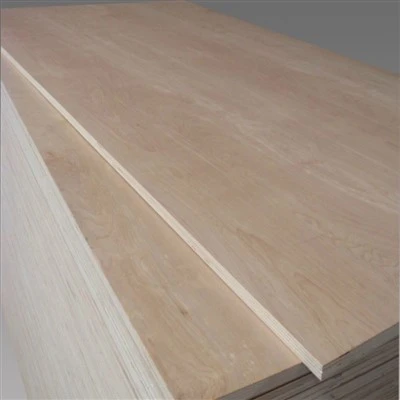
  • 3mm Oak Veneer Plywood

    3mm Oak Veneer Plywood

    Introducing our 3mm Oak Veneer Plywood, a testament to quality craftsmanship and versatility. Crafted from high-quality oak veneer, this plywood offers a perfect blend of durability and natural

    Add to Inquiry
  • Walnut Veneer Plywood

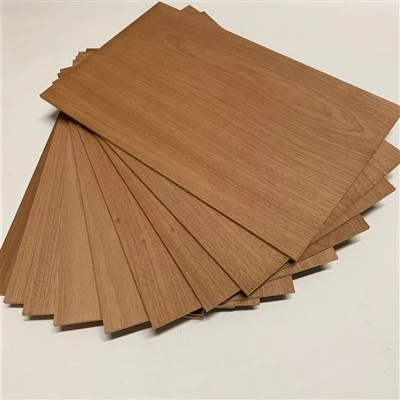
    Walnut Veneer Plywood

    Elevate your woodworking projects with our Walnut Veneer Plywood, a testament to the perfect fusion of craftsmanship and natural beauty. Crafted from high-quality walnut veneer, this plywood offers a

    Add to Inquiry
  • Red Oak Veneer Plywood

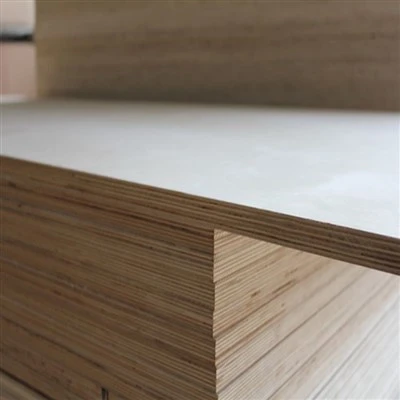
    Red Oak Veneer Plywood

    Introducing our Red Oak Veneer Plywood, a testament to the perfect marriage of functionality and aesthetic appeal. Crafted with precision and care, this plywood brings the warmth and character of red

    Add to Inquiry
  • Thin Plywood Sheets for Crafts

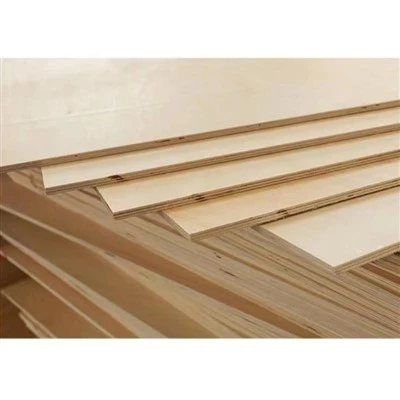
    Thin Plywood Sheets for Crafts

    Discover the perfect canvas for your craft projects with our Thin Plywood Sheets designed specifically for artisans and DIY enthusiasts. These sheets offer unparalleled flexibility, allowing you to

    Add to Inquiry
  • Waterproof Plywood 12mm

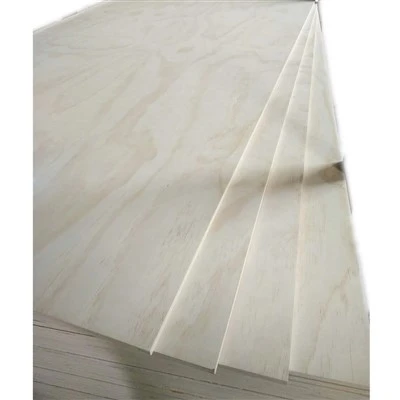
    Waterproof Plywood 12mm

    Experience the epitome of quality and durability with our 12mm Waterproof Plywood. Engineered to withstand moisture and offer unparalleled versatility, this plywood is a game-changer for various

    Add to Inquiry
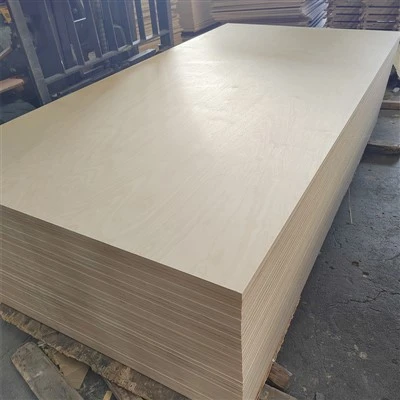
  • Waterproof 4x8 Plywood

    Waterproof 4x8 Plywood

    Waterproof 4x8 Plywood | Baltic Birch Construction Grade, for Marine and Outdoor UsesMarine grade waterproof plywood 4x8 boards (Baltic Birch, 0-14% moisture). E0 certified, warp resistant and easy

    Add to Inquiry
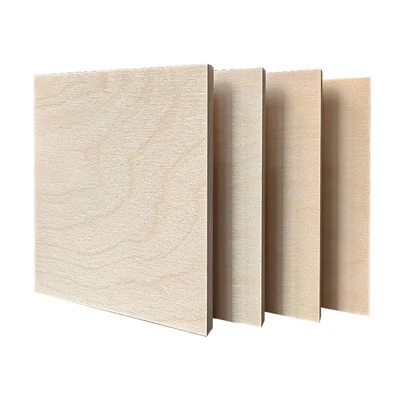
  • 12mm Softwood Plywood

    12mm Softwood Plywood

    Experience the epitome of quality with our 12mm Softwood Plywood, meticulously crafted to meet the highest industry standards. Sourced from premium wood materials, this plywood undergoes precise

    Add to Inquiry
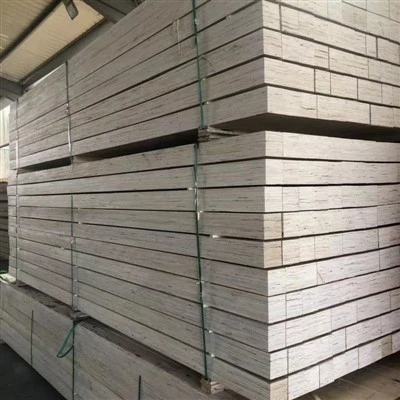
  • Timber Plywood

    Timber Plywood

    Discover the excellence of Timber Plywood, a versatile and high-performance material that combines exceptional features with wide-ranging applications. Our Timber Plywood is crafted with precision,

    Add to Inquiry
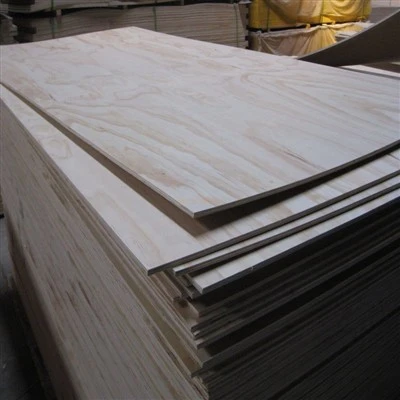
  • Solid Wood Plywood

    Solid Wood Plywood

    Introducing Solid Wood Plywood, a premium choice for those seeking the perfect blend of natural beauty and structural integrity. Crafted from carefully selected hardwood, our Solid Wood Plywood

    Add to Inquiry
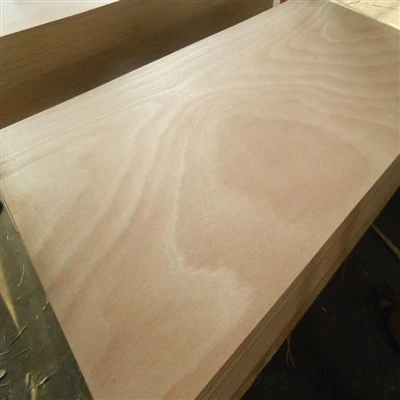
  • 12mm Plywood Sheet

    12mm Plywood Sheet

    Discover the versatility and reliability of our 12mm Plywood Sheet, a go-to choice for various applications where strength, durability, and precision matter. Crafted with meticulous attention to

    Add to Inquiry
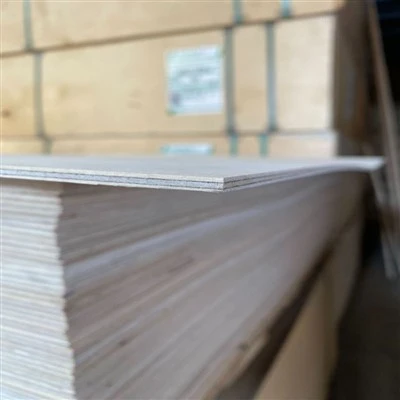
  • Furniture Plywood Sheet

    Furniture Plywood Sheet

    Elevate your furniture crafting projects with our Furniture Plywood Sheet, a versatile and reliable material designed to meet the highest standards of craftsmanship. Crafted with precision and care,

    Add to Inquiry
First 12 Last 1/2

Why Choose Us


Global trade network

Our products are well-received both domestically and internationally, covering global markets. The establishment of a global supply chain enables us to flexibly and efficiently meet the needs of customers in different countries and regions.

High quality products

We always put customer needs and expectations in the first place, refine on, continuous improvement, to seek every opportunity to do better, to provide customers with their expectations of quality products, to provide customers with the most satisfactory service at anytime.

Competitive prices

We offer our products at competitive prices, making them affordable for our customers. We believe that high-quality products should not come at a premium, and we strive to make our products accessible to all.

Rich experience

Has a long-standing reputation in the industry, which makes it stand out from its competitors. With over many years of experience, they have developed the skills necessary to meet their clients' needs.

Innovation

We are dedicated to improving our systems continually, ensuring that the technology we offer is always cutting edge.
Professional team

We have a team of skilled and experienced professionals who are well-versed in the latest technology and industry standards. Our team is dedicated to ensuring that our customers get the best service and support possible.


How Is Plywood Made


Wood veneer selection
Plywood is made by gluing together multiple layers of thin wood veneers. The choice of wood veneer is an important step. Different types of wood can be used depending on the desired properties of the finished plywood. Common choices include softwoods like pine and hardwoods like maple or oak.

Preparing the veneer
The selected wood veneer needs to be prepared. This may involve flattening, squaring and cutting the veneer to the desired size and shape. During this step, any defects or irregularities in the veneer are removed.

Veneer layering
Veneers are stacked on top of each other, with each layer having a different grain direction. This cross-lamination helps increase the strength and stability of the plywood. The number of veneer layers can vary depending on the thickness of the plywood and the intended use.

Adhesive application
Special adhesive is applied to the veneers to bond them together. The type of adhesive used depends on the specific requirements of the plywood, such as moisture or fire resistance.

Pressing the layers
The stacked veneers are then placed in a press, which applies high pressure and heat to the assembly. This helps the adhesive penetrate the veneer and form a strong bond between the layers.

Curing and Drying
After pressing, the plywood is allowed to cure and dry. This process ensures that the adhesive sets and the plywood reaches its final strength.

Finishing and Processing
Depending on the intended use, plywood may undergo additional finishing steps such as sanding, cutting, or applying a protective coating.


What Is Plywood Used For
productcate-1-1
productcate-1-1
productcate-1-1
productcate-1-1

BC manufacturers produce a range of plywood products for structure and non-structural uses suitable for both wet and dry service conditions, including subflooring, single-layer flooring, wall, roof and floor sheathing, structural insulated panels, webs of wood I-joists and concrete formwork. As exterior wall and roof sheathing, plywood can provide resistance to lateral forces such as wind and earthquake loads and form an integral component of the building envelope. It may be used as both structural sheathing and finish cladding. For exterior cladding applications, specialty plywoods are available in a broad range of patterns and textures, combining the natural characteristics of wood with the strength and rigidity. A wide range of specialty plywood products are manufactured in BC for industrial uses (RVs and cargo-van panels), marine applications and furniture manufacturing.


What Types of Plywood Are There


Structural Plywood
Structural plywood sheets will need to meet certain standards for strength and durability. The main difference between structural plywood and general-purpose models is the type of adhesive used for bonding the veneers together. For strength-based uses within a building, it’s important to use a type of plywood designed for such performance.

Marine Plywood
Marine plywood is designed with water-resistant properties in mind. While not wholly waterproof, it uses waterproof glue to ensure high levels of resistance to moisture and water. Marine plywood is also strong and largely free of defects. It will be commonly used for external applications, and can also be used within boats.

Flexible Plywood
While some plywood types can be bent over time, flexible plywood is designed to easily bend, for a wide variety of curved applications. This is achieved through lining up the grain of each veneer, which allows it to be bent easily, giving a clean, attractive look. A flexible plywood panel that will bend along the longer edge is called cross-grain plywood, whereas a panel that will bend along the short edge is long-grain plywood.

Softwood Plywood
Softwood plywood will be faced with, and typically made from, softwood veneers from trees like cedar, douglas fir, and pine. This will typically be used for building and formwork applications and is rarely used visually.

Hardwood Plywood
Hardwood plywood will offer a greater level of strength, making it suitable for more heavy-duty uses, alongside visible uses like furniture and panelling. It is also often used for the making of instruments. Options would include birch plywood.

Insulated Plywood
Insulated plywood panels consist of an insulated foam core glued between two layers of plywood. These panels, called SIPs (Structurally insulated panels) offer a structurally sound form of insulation for homes, walls, ceilings, and floors.

Shuttering Plywood
The cheapest plywood available, shuttering plywood is used for temporary building uses, such as covering up broken windows or as formwork for concrete pours. It will be of a low quality visually, with defects, but serves several important purposes.


What Is the Primary Difference Between A Grade and B Grade Plywood
 

A-grade plywood is considered the highest quality in terms of appearance. It has a smooth, clean surface with very few defects. This grade of plywood is often used for projects where the aesthetic is important, such as cabinetry, furniture, and interior finishes. A-grade plywood may have some slight imperfections, such as pinholes (small knots), hairline cracks, or small patches that are barely noticeable. However, these imperfections are minimal and do not detract significantly from the overall appearance of the panel.

B-grade plywood has a slightly lower quality compared to A-grade. It may contain more imperfections, including larger knots, discoloration, or small patches. While still usable for many applications, B-grade plywood is generally chosen for situations where the appearance is not the primary concern, or where the imperfections can be easily concealed by paint, varnish, or another finish. B-grade plywood is commonly used in construction, shelving, and other applications where appearance is secondary to function.

It is worth noting that the grade of plywood does not necessarily correlate with its strength or durability. Both A-grade and B-grade plywood can be manufactured to meet certain structural standards and are suitable for various load-bearing applications. The choice between the two grades often depends on the specific project requirements and the desired balance between cost, availability, and aesthetic considerations.

Plywood is also graded based on its performance characteristics, such as its resistance to moisture and durability. These performance grades are denoted by letters following the basic A-B-C grading system, such as "MR" for moisture resistance or "Exposure 1" for limited exposure to weather conditions. These additional designations are important to consider alongside the face veneer grade when selecting plywood for a particular application.


productcate-1-1


How Do I Measure the Size of Plywood

Use a tape measure or ruler to measure the width of the plywood from one side to the other. The width is typically measured in inches or millimeters. Extend the measurement tool along the length of the plywood to determine its length. Like the width, the length is usually measured in inches or millimeters. If you need to know the thickness of the plywood, use a caliper or a measuring device specifically designed for thickness measurement. Place the caliper or tool on one side of the plywood and read the measurement.It's important to measure the plywood at its widest and longest points to obtain the accurate dimensions.

Make sure to use a calibrated measurement tool to ensure accuracy.If the plywood has been cut or has irregular edges, it may be helpful to measure multiple points along the width and length to get an average size. Also, keep in mind that plywood is typically sold in standard sizes, such as 4x8 feet (122x244 cm) or 5x5 feet (152.4x152.4 cm), so you can compare your measurements to these standard sizes.When purchasing plywood or working with it in a project, having accurate measurements of the plywood's size is crucial to ensure a proper fit and successful outcome.


How Do I Know if Plywood Is Fire Resistant


Certification Labels
Look for labels or stamps that indicate compliance with fire-resistant standards. In the United States, the American Plywood Association (APA) or the National Fire Protection Association (NFPA) may provide certifications. In Europe, look for the CE mark with the appropriate fire classification.

Chemical Treatments
Fire-resistant plywood is usually treated with borates, ammonium sulfate, or other fire retardants. These treatments are applied during manufacture and can penetrate the wood fibers, making the plywood less combustible. However, without proper labeling, it can be difficult to visually confirm chemical treatments.

Third-Party Testing
FRP plywood should pass standardized fire tests conducted by accredited laboratories. These tests evaluate how the material performs in terms of flame spread, smoke development, and heat release rates. Products that perform well in these tests are awarded certifications indicating their fire-resistant properties.

Material Specifications
Manufacturers often provide technical data sheets detailing the properties of their products. These documents may specify if the plywood is fire-resistant and include information on the fire resistance ratings and the duration of the fire resistance.

Nominal Sizes and Appearance
Generally, fire-resistant plywood looks similar to regular plywood, but the treatment process may cause slight changes in color or texture. However, this is not a reliable indicator, as untreated plywood can sometimes appear similar in appearance.

Ask the Supplier
If you cannot find the necessary certifications or information on the plywood, directly inquire with the supplier or manufacturer to confirm the fire-resistant properties of the product. They should be able to provide documentation or additional details regarding the product's fire performance.


How Do I Know if Plywood Is Suitable for Outdoor Use
 

Look for plywood specifically labeled as "exterior grade" or "weather-resistant." These types of plywood are designed to withstand exposure to the elements, including rain, snow, and sunlight. Different wood species have varying degrees of natural durability and resistance to rot and insects. Some common wood species used for exterior plywood include Douglas fir, pine, cedar, and redwood. These woods are generally more resistant to the effects of moisture and outdoor conditions. Exterior-grade plywood may come with additional coatings or finishes to enhance its weather resistance. Look for plywood that has been treated with water-repellent preservatives or sealants to protect it from moisture absorption.


Check the manufacturer's specifications and recommendations for the specific plywood product you are interested in. They may provide information about its suitability for outdoor use and any specific limitations or precautions. Exterior-grade plywood is often tested for its moisture resistance using the ASTM D2434 standard. This test measures the plywood's ability to resist the passage of water vapor and helps determine its suitability for outdoor applications. If the plywood will be exposed to direct sunlight, it's important to choose a product that offers good UV resistance. UV radiation can cause the wood to fade, crack, and deteriorate over time.


When using plywood outdoors, proper installation and sealing are crucial to prevent moisture ingress. Ensure that the plywood is properly flashed, sealed, and protected from the elements. Consider the climate and environmental conditions in your area. If you live in a humid or wet climate, or the plywood will be exposed to severe weather conditions, you may need to choose a more durable and weather-resistant product. Check local building codes and regulations to ensure that the plywood you choose meets the required standards for outdoor use.


What Are the Different Grades of Plywood for Marine Use

Marine Grade A
This is the highest grade of marine plywood and is made from the finest woods, such as Douglas fir or Western Larch. Grade A plywood features tight grains, few knots, and is free of voids within the plies. This grade is suitable for structural components that are exposed to continuous moisture and where visual appeal is important.


Marine Grade B
Grade B plywood is also made from high-quality woods but may have some small knots that are tightly sealed. It has fewer imperfections than lower grades and is suitable for areas that are frequently wet but not necessarily for highly visible parts of the boat.


Marine Grade C
Grade C plywood has more knots and imperfections than Grades A and B. The knots are generally larger and not sealed as neatly, which can lead to potential leak points if not properly sealed after installation. This grade is still suitable for marine use but is typically used for areas that are less visible or structurally critical.

Marine Grade BS 1088

This standard refers specifically to the British Standard for marine plywood, which is widely recognized internationally. Plywood that meets BS 1088 specifications will typically be graded as either Grade A, B, or C, as described above. BS 1088 plywood must pass stringent tests for water resistance, strength, and stability.

MR (Medium Resilience) Grade

Though not exclusively for marine use, MR-grade plywood can sometimes be used in marine applications where lesser quality is acceptable. It is made from softwood and has a greater likelihood of voids between the plies, making it less suitable for structural applications.

HMR (High Medial Resilience) Grade

Similar to MR grade but with a higher degree of resilience. HMR plywood is sometimes used for marine applications but is generally of a lower quality than BS 1088 marine plywood.


Our Factory


Yixiang Wood Industry Co., Ltd., located in Jiaxing, a prominent hub in the Chinese wood industry, is a woodworking giant with over 30 years of experience. Supported by a professional and stable woodworking team, we have earned a reputation in the industry and successfully established our market advantages.


null


FAQ


Q: How does the thickness of plywood affect its performance?

A: The thicker the plywood, the greater its load-bearing capacity and resistance to bending. However, thicker plywood is also heavier and more expensive. The appropriate thickness depends on the specific application and load requirements.

Q: What is the difference between plywood and MDF (Medium-Density Fiberboard)?

A: Plywood is an engineered wood product made from thin layers of wood veneer, while MDF is made by breaking down hardwood and softwood fibers, combining them with wax and a resin binder, and forming panels by applying high pressure and heat. MDF is denser and more uniform but lacks the natural wood grain of plywood and is not as strong.

Q: How does the quality of adhesives used in plywood production affect its performance?

A: The quality of adhesives is crucial in plywood production. High-quality adhesives, such as those with a waterproof rating, ensure that the plywood maintains its strength and durability even when exposed to moisture. Lower-quality adhesives may degrade over time, leading to delamination and reduced structural integrity.

Q: Can plywood be used in situations where fire resistance is a concern?

A: Certain types of plywood, such as flame-retardant plywood, are treated to meet specific fire-resistance ratings. These are suitable for use in environments where fire codes require materials to resist the spread of flames.

Q: How does the size of plywood sheets affect their usability?

A: Standard plywood sizes, such as 4x8 feet, are convenient for many construction and remodeling projects because they fit well on standard job sites and can be handled by most workers. Larger or custom sizes may be necessary for specific applications but can be more challenging to transport and handle.

Q: What is the difference between Baltic Birch plywood and other types of plywood?

A: Baltic Birch plywood is known for its high-quality, void-free inner plies, which contribute to its superior strength and durability. It is often used in precision projects where a clean, consistent appearance is desired, and it holds screws and fasteners well due to its tight-grained structure.

Q: Can plywood be used for decorative purposes?

A: Yes, plywood can be used for decorative purposes, especially when it is sanded smooth and finished with paint, stain, or varnish. It can be used to create artistic designs, feature walls, and other visually appealing elements in both residential and commercial spaces.

Q: How does the species of wood used in plywood influence its properties?

A: The species of wood used in plywood affects its appearance, density, and strength. Hardwood plywoods tend to have a finer grain and are more dimensionally stable, making them ideal for fine carpentry. Softwood plywoods, often made from species like Douglas fir, are less expensive and offer greater structural strength for load-bearing applications.

Q: What is the difference between phenolic-coated plywood and regular plywood?

A: Phenolic-coated plywood has a layer of phenolic resin on one or both sides, which creates a hard, durable, and moisture-resistant surface. It is often used in high-traffic areas or for countertops where durability is a priority.

Q: How does the climate where plywood is used affect its performance?

A: Climate conditions can greatly affect plywood performance. Humid environments can cause plywood to swell and delaminate, while extreme cold can make it brittle and prone to cracking. Proper storage and selection of appropriate plywood grades are essential to ensure optimal performance in different climates.

Q: What is the difference between APA rated plywood and non-APA rated plywood?

A: APA (American Plywood Association) rated plywood meets specific quality and performance standards set by the association. These standards ensure that the plywood can withstand certain loads and stresses, making it suitable for structural applications. Non-APA rated plywood may not meet these standards and is typically used for non-structural purposes.

Q: Can plywood be used for building stairs?

A: Yes, plywood can be used for building stairs, especially for the stair stringers that support the steps. Structural-grade plywood that meets local building code requirements should be used to ensure safety and durability.

Q: How does the weight of plywood affect its handling and transportation?

A: The weight of plywood can affect its handling and transportation. Heavier sheets may require more than one person to maneuver, especially when moving them vertically. Transportation costs may also increase with heavier loads, so it’s important to consider the weight when planning logistics for large plywood orders.

Q: What are the main types of plywood used in construction?

A: There are several types of plywood used in construction, including A-grade plywood for finish work, B-grade for most finish work, C-grade for general construction, D-grade for structural use, and CDX plywood, which is a combination of C and D grades used for subfloors and roof sheathing.

Q: How does the grade of plywood affect its suitability for different uses?

A: The grade of plywood indicates the quality of the surface veneers and the number of repairs or patches allowed. Higher grades have fewer imperfections, making them better suited for visible applications, while lower grades with more defects are typically used for structural purposes or where the appearance isn't important.

Q: What is the difference between marine plywood and regular plywood?

A: Marine plywood is made with waterproof glue and higher-quality veneers that can withstand prolonged exposure to moisture. It is significantly more durable than regular plywood and is designed for use in harsh marine environments, boats, and docks.

Q: Is plywood a good option for outdoor use?

A: Yes, plywood can be used outdoors, but it must be properly treated. Exterior-grade plywoods with water-resistant glue are suitable for outdoor applications. Untreated or interior-grade plywoods should not be used outside as they can warp or delaminate when exposed to moisture.

Q: How is plywood measured and sold?

A: Plywood is sold in sheets that are typically 4 feet wide and 8 feet long. Thicknesses vary from as little as 1/8 inch to several inches thick, depending on the intended use.

Q: Can plywood be painted or stained?

A: Yes, plywood can be painted or stained once it has been properly prepared. Sanding the surface smooth and filling any gaps or knots with wood filler will help achieve a better finish.

Q: How should plywood be stored to maintain its integrity?

A: Plywood should be stored flat, with no more than two sheets stacked directly on top of each other to avoid warping. It should be kept off the ground and away from moisture sources to prevent swelling or deterioration.

As one of the most professional plywood manufacturers and suppliers in China, we're featured by quality products and competitive price. Please rest assured to wholesale bulk customized plywood from our factory.

Walnut Veneer Plywood, Custom Size White Oak, Eucalyptus Straight Grain Veneer
goTop

(0/10)

clearall